ApplicationApplication
-

Pouring
Pouring
-

Hardening Treatment
Hardening Treatment
-

Heat Treatment Furnace
Heat Treatment Furnace
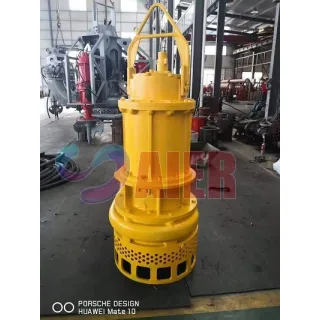
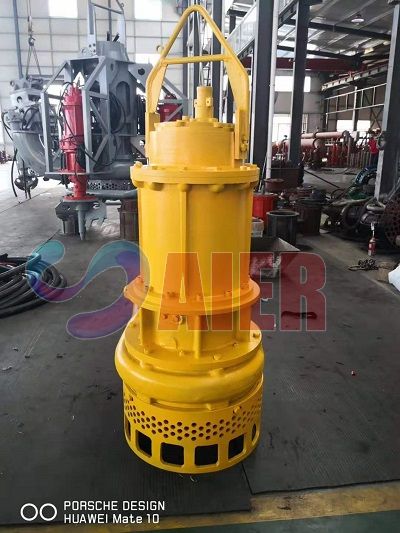
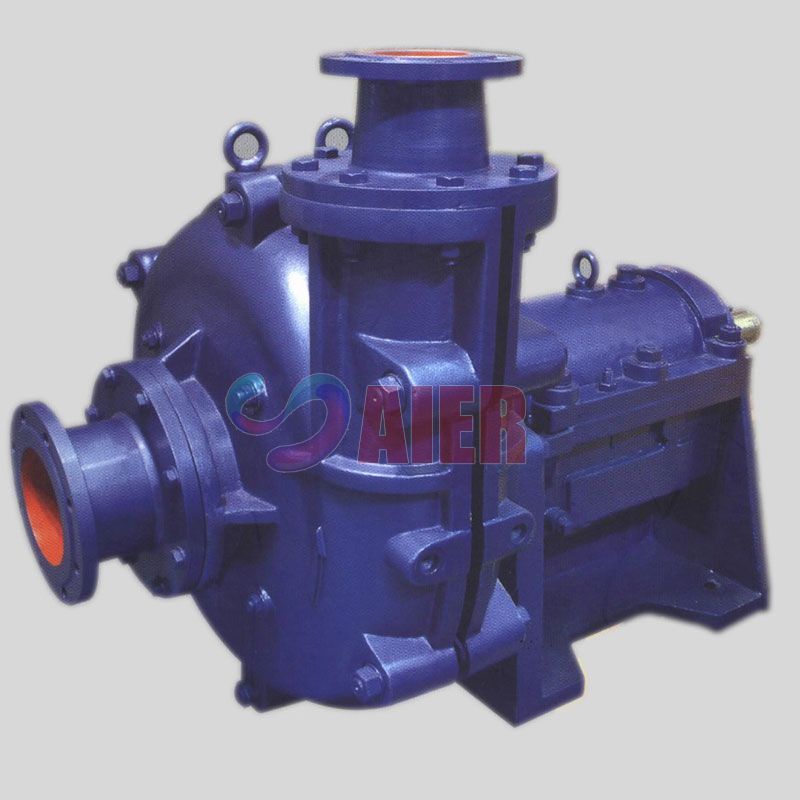
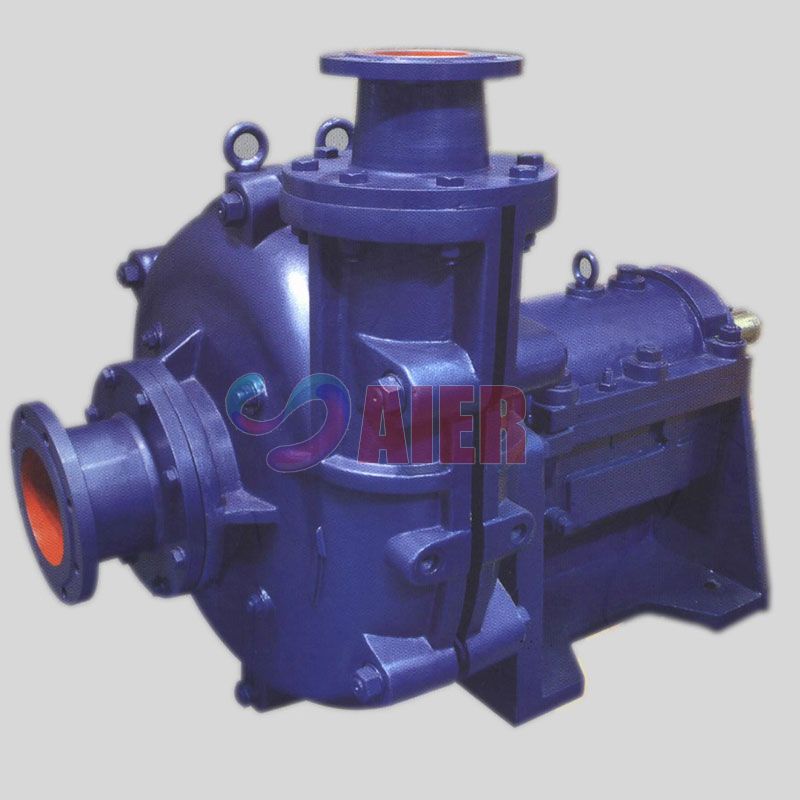
high quality hydraulic dredge pumphigh quality hydraulic dredge pump
Submersible Pump Vertical Factory Revolutionizing Water Pumping Solutions In the realm of industrial pumping solutions, the role of submersible pumps cannot be overstated. These essential devices not only facilitate the efficient movement of liquids from deep underground sources but also serve a multitude of applications across various sectors, including agriculture, construction, and municipal water systems. The advent of specialized vertical factories dedicated to the manufacturing of submersible pumps marks a significant advancement in this field, streamlining production processes and enhancing product quality. Understanding Submersible Pumps Submersible pumps are designed to function while submerged in fluid. They consist of a motor and pump assembly, typically located at the bottom, allowing for effective pumping of water and other liquids through a pipeline to the surface. This design minimizes the issues associated with priming and prevents cavitation, making them inherently more efficient than traditional above-ground pumps. Vertical submersible pumps, in particular, are engineered to operate in deep wells and reservoirs. Their vertical orientation reduces the footprint required for installation, making them ideal for locations with space constraints. The demand for these pumps has surged due to their versatility in handling various liquids, including clean water, wastewater, and even corrosive fluids in specific industrial applications. The Role of Vertical Factories The establishment of vertical factories for the production of submersible pumps brings about several advantages. These factories focus on large-scale production with an emphasis on automation and advanced manufacturing techniques. The vertical layout allows for efficient material flow and minimizes the need for excessive transportation within the facility, leading to reduced manufacturing times and costs. submersible pump vertical factory These factories are equipped with state-of-the-art technology, including computer numerical control (CNC) machines, robotic assembly lines, and quality testing stations. Such advancements facilitate precision in manufacturing, ensuring that each pump produced meets the highest standards of quality and reliability. The automated processes also enhance worker safety and reduce human error, contributing to the overall efficiency of the production line. Quality Assurance and Innovation Quality assurance is a cornerstone of pump manufacturing, especially considering the demanding environments in which submersible pumps operate. Vertical factories employ rigorous testing protocols, subjecting each unit to various performance metrics before it reaches the market. These tests may include pressure tests, efficiency evaluations, and endurance trials, ensuring that consumers receive a product capable of standing the test of time. Innovation is another key focus for vertical factories. Continuous improvement practices encourage the exploration of new materials and technologies, such as advanced composites that enhance corrosion resistance and reduce overall weight. Additionally, the incorporation of smart technology into submersible pumps allows for real-time monitoring and diagnostics, paving the way for increased efficiency and ease of maintenance. Conclusion The emergence of vertical factories dedicated to the production of submersible pumps is transforming the landscape of water pumping technology. By leveraging automation, enhancing quality assurance, and embracing innovation, these facilities are positioned to meet the growing global demand for reliable and efficient pumping solutions. As industries continue to evolve and expand, the role of high-quality submersible pumps will undoubtedly remain vital, ensuring that water and other fluids can be harnessed effectively for a sustainable future. With a focus on quality, performance, and cutting-edge technology, vertical factories are set to lead the way in the submersible pump industry for years to come.